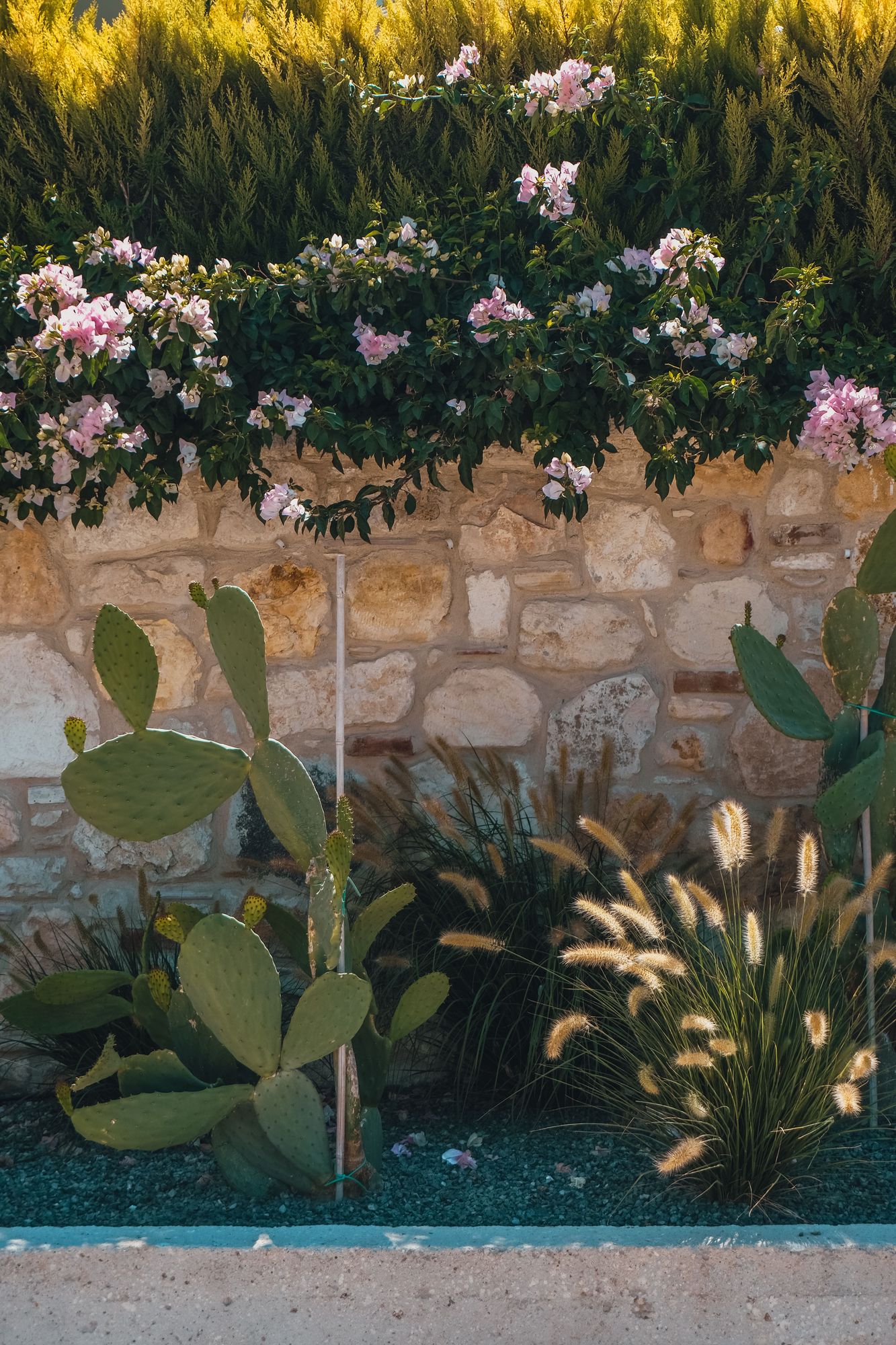
Drive through most Gilbert neighborhoods and you will see the same handful of plants in yard after yard, because that is what the builder put in and nobody changed it. A desert landscape that actually holds your eye comes from plants chosen on purpose for the Sonoran low desert, then arranged so they look like a design instead of a parking lot island.
What native and adapted plants buy you
Plants that evolved in or near this climate ask for less and give back more. They handle the heat without sulking, settle into a low-water routine once their roots are established, and do not need replacing every couple of seasons. That is the practical case for desert landscaping in Gilbert: less loss, less fuss, and a yard that looks intentional in August instead of crispy. Low water does not have to mean sparse. It is about which plants, and where.
A Gilbert palette that works
A yard reads well when it has structure, color, and evergreen bones, and the desert offers all three. For shade and shape, a palo verde or desert willow does the heavy lifting. For structure that looks good year-round, agave, red yucca, and ocotillo hold their form through every season. For color, brittlebush and globe mallow throw blooms in spring, Texas ranger flushes purple after summer rains, and deergrass and other ornamental grasses add movement. Layered together with prickly pear and golden barrel as accents, that is a yard with depth, not a gravel field with three plants in it. It is the kind of palette that fits neighborhoods from Agritopia to Power Ranch.
Color across the seasons
The worry people have about going desert-forward is that the yard will look brown and bare. The fix is planning for bloom across the seasons so something is always doing the work: spring wildflowers, summer monsoon color, and the steady silver-greens that carry the off months. Designed well, a desert yard gives you something to look at all year and is built for the way water works here, rather than fighting it.
Design the planting, do not just plant
The most common mistake is buying plants for how they look at the nursery and spacing them for today instead of for what they become. A five-gallon shrub that looks lonely now is a crowded mess in three years if it is planted too close. Good desert landscaping places everything for its mature size, layers heights so beds have depth, and repeats a few plants for rhythm instead of collecting one of everything. That is the line between a yard that grows into itself and one you are constantly thinning out. Homeowners across Gilbert bring us in for exactly that, the design, not just the plants.
Frequently Asked Questions
Will a native yard look bare or unfinished?
Not when it is designed for it. Layering and seasonal bloom keep a desert yard full and changing through the year.
How much water do desert plants need?
A lot at first to establish roots, then much less once they are settled. Most desert-adapted plants do well on occasional deep watering after that.
How long until a desert yard fills in?
Most plantings start to read as full within a season or two. The structural plants like agave and yucca look intentional right away while the rest catch up.
Plant a yard that earns its place
If your beds are tired or your yard came with the builder special, we will design a palette built for the way you live and the way it grows here. Start on our contact page.
—