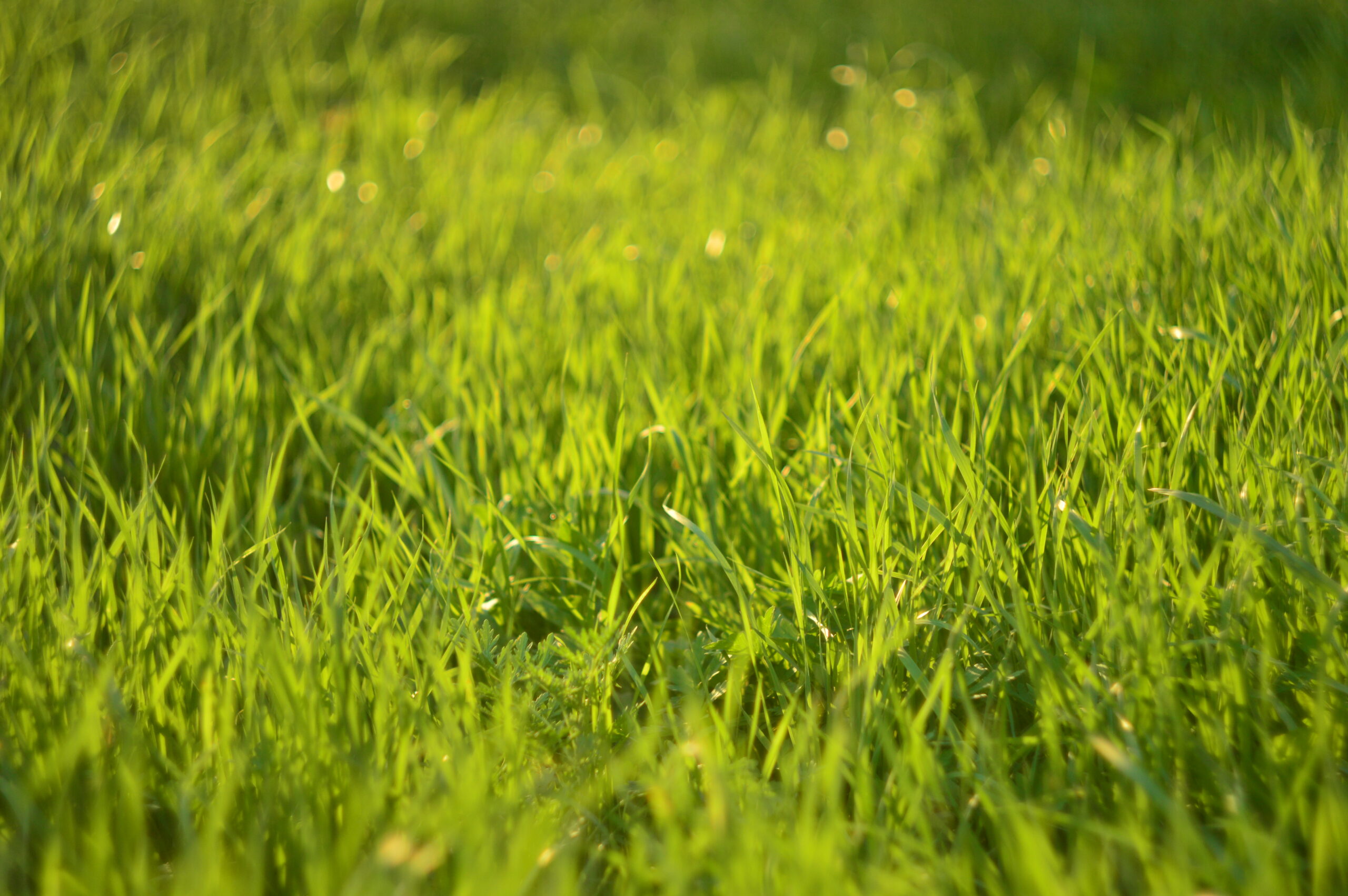
Sod gives you a finished lawn in days instead of a season spent waiting on seed. Core Landscape installs sod and lawn systems for homes and businesses across Gilbert, Chandler, Mesa, Scottsdale, and Queen Creek, and we match the variety to your yard’s sun, shade, and water conditions instead of installing the same grass everywhere.
Sod vs. Artificial Grass
We install both. Natural sod gives you a live lawn that cools the ground and the air around it, which is worth a lot in an East Valley summer. Artificial grass stays green year round with no mowing and no overseeding, and it holds up in side yards, dog runs, and deep shade where real grass struggles. If you are weighing the two, our landscape build team can walk the property and tell you where each one fits.
What Sod Installation Gives You
- A finished lawn in days rather than a full growing season
- Better curb appeal and property value
- Less soil erosion and runoff
- A cooler yard, since living grass lowers the surface temperature around it
- Better oxygen circulation through the soil
Sod Varieties We Install in Arizona
Most East Valley yards get Midiron. It is the workhorse here. But shade, water access, and how hard you plan to use the lawn all change the answer, so here is what we install and where each one fits.
Midiron
The most common sod variety in Arizona and the one we install most often. It looks good, it costs less to maintain than the tif varieties, and the seams knit together roughly 10 to 14 days after installation at the right mowing height. It does not do well in shade, which is rarely a problem on a full sun Arizona lot.
- Texture: medium-coarse leaf
- Color: blue-green
- Damage recovery: excellent
- Shade tolerance: poor
- Drought tolerance: good
- Mowing: reel mower, 3/4″ to 1 1/2″
Tifway 419
The tif varieties come from the same family of grasses used on golf courses. Tifway 419 is the most durable of them and gets used on professional sports fields, golf fairways, and home lawns more than any other bermudagrass. It wants full sun and does not adjust well to shade.
- Texture: fine
- Color: dark green
- Damage recovery: very good
- Shade tolerance: poor
- Drought tolerance: very good
- Mowing: reel or sharp rotary mower, 1/2″ to 1 1/2″
Tifgreen
Used on golf greens and fairways, and on home lawns where you want a manicured look. The texture is very fine and the color is a bright green. It resists disease, pests, and weeds better than most varieties and needs less mowing. Like the other tif grasses, it wants full sun.
- Texture: very fine
- Color: bright green
- Damage recovery: fair
- Shade tolerance: poor
- Drought tolerance: fair
- Mowing: reel or sharp rotary mower, 1/4″ to 3/4″
Tifgrand Bermuda
The shade answer among the bermudagrasses. Tifgrand handles up to 60 percent shade and needs only four to five hours of direct sun, which is more tolerance than Tifway 419 or Tifgreen have. The tradeoff is that it takes more maintenance in a full sun yard. You will find it on golf tee boxes and on Arizona home lawns with mature trees.
- Texture: fine
- Color: dark green
- Damage recovery: fair
- Shade tolerance: excellent
- Drought tolerance: fair
- Mowing: reel or sharp rotary mower, 1/2″ to 1 1/2″
Palmetto St. Augustine
St. Augustine tolerates both shade and full sun, which makes it a good fit for a desert climate. It takes the summer heat and it also does well in the parts of your yard that never get direct light. It is the variety we reach for on lots with flood irrigation or heavy shade, which covers a lot of the older neighborhoods in Mesa and Gilbert.
- Texture: coarse with a soft leaf
- Color: bright green
- Sun exposure: excellent
- Damage recovery: fair
- Shade tolerance: excellent
- Drought tolerance: fair
- Mowing: reel or sharp rotary mower, 1 1/2″ to 3″
One thing to plan around: St. Augustine can never be overseeded, and it only goes in during hotter weather. Every other variety on this list can be installed year round.
Overseeding Your Arizona Lawn
Overseeding means planting grass seed directly into your existing turf. It keeps the lawn green through the winter instead of letting it go dormant until summer, and over time your fertilizer needs drop and the investment pays for itself.
In Arizona the window is September through October. Seed later than that and it will not establish before the cold. Any sod needs to be in the ground six months before its first overseeding, and St. Augustine is the one variety that is never overseeded at all.
If you skip overseeding, expect the lawn to go dormant and brown through the colder months and green up again in summer.
Watering a New Lawn
A new lawn lives or dies on its first few weeks of water. We check that your existing system can actually cover the new turf before we install it, and if it cannot, we say so up front. Lawn zones and drip irrigation for beds and trees run on different schedules, and getting that split right is most of what keeps a lawn alive through July.
Talk to Core Landscape About Your Lawn
We install sod and lawn systems across the East Valley and hand you care instructions for the variety we actually put in, not a generic sheet. Core Landscape is licensed under AZ ROC-315156 and family owned since 2016. Get in touch to schedule a walkthrough and an estimate.